Category Archives: News

Faces behind the headstones

Last year I found a leaflet asking for relatives of those WW1 soldiers who rest in Lijssenthoek Military Cemetary to come forward with any information or documents they may have and as I have original documents relating to my great uncle, there was only one thing to do and that was make contact – well you would, wouldn’t you, it is only being polite after all!

I made contact and as I have a little ‘bolt hole’ quite close to Poperinghe I made several visits to my contact who at the time worked out of Toc H and had many cups of tea there, if I may say, the best cups of tea in Belgium.  So, with my documents copied and information regarding my great uncle passed on I awaited the day I could visit.  I was invited to the opening in the autumn of 2012 but a few days holiday was not available………..so I waited.

The summer of 2013 in August was very hot and on one of the cooler afternoons I crossed the border to my uncle’s ‘little piece of England in a foreign land’.  The visitor centre is situated on a parcel of land at the side of the cemetery.  I did see the work in progress last year but then it was hard to imagine the building and ideas used.  The people at Toc H had told me of the ideas they wished to use and it sounded wonderful.
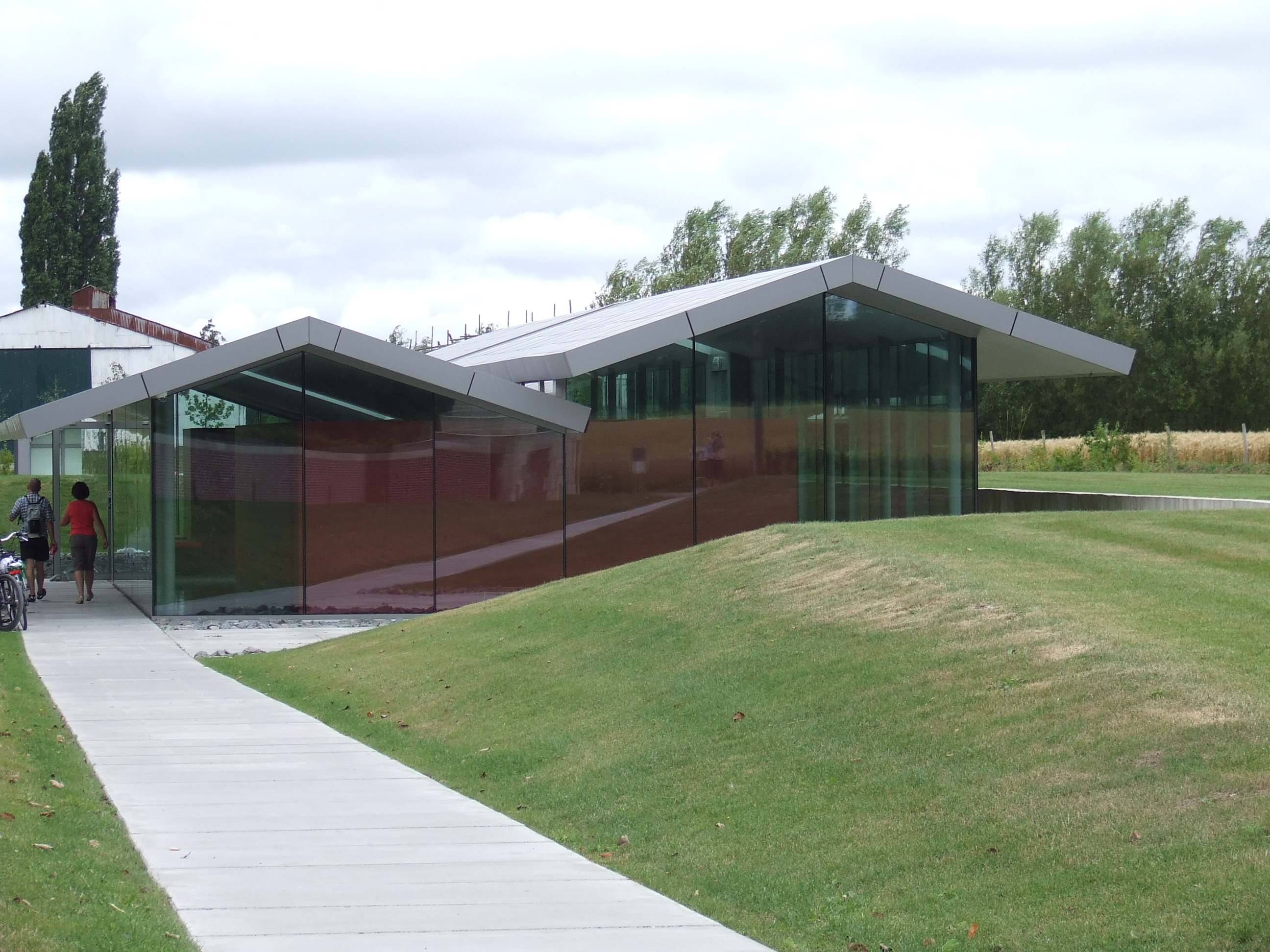
copyright c Sklinar 2013

copyright c Sklinar 2013

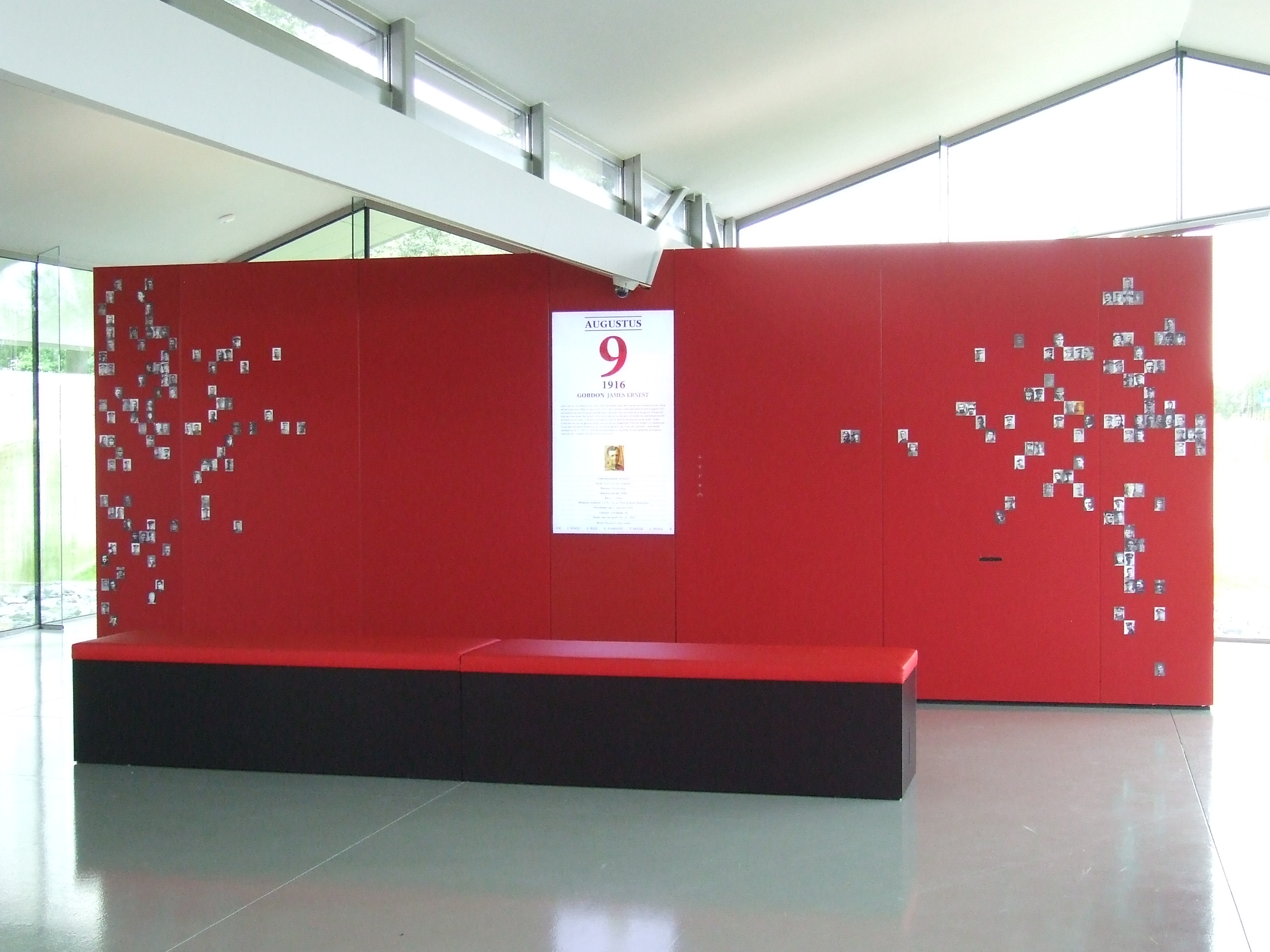
My first stop was, you guessed, the centre and after parking my car took the short walk to the single story centre.  Inside there is a plain red wall with two rows of speakers – for the tall and the short, each tells of the happenings from the area in a soldiers words and is available in four languages.  At the rear of this wall is the main archive area, all in white with red accents.  This could be symbolic of death and blood or red for the poppies.  My aunt a nurse would never have white and red flowers together in the same vase.  The room has a central work station with banks of computers listing all the men and one woman (Nellie Spindler) who rest within the boundary of the cemetery, and is easy to search.
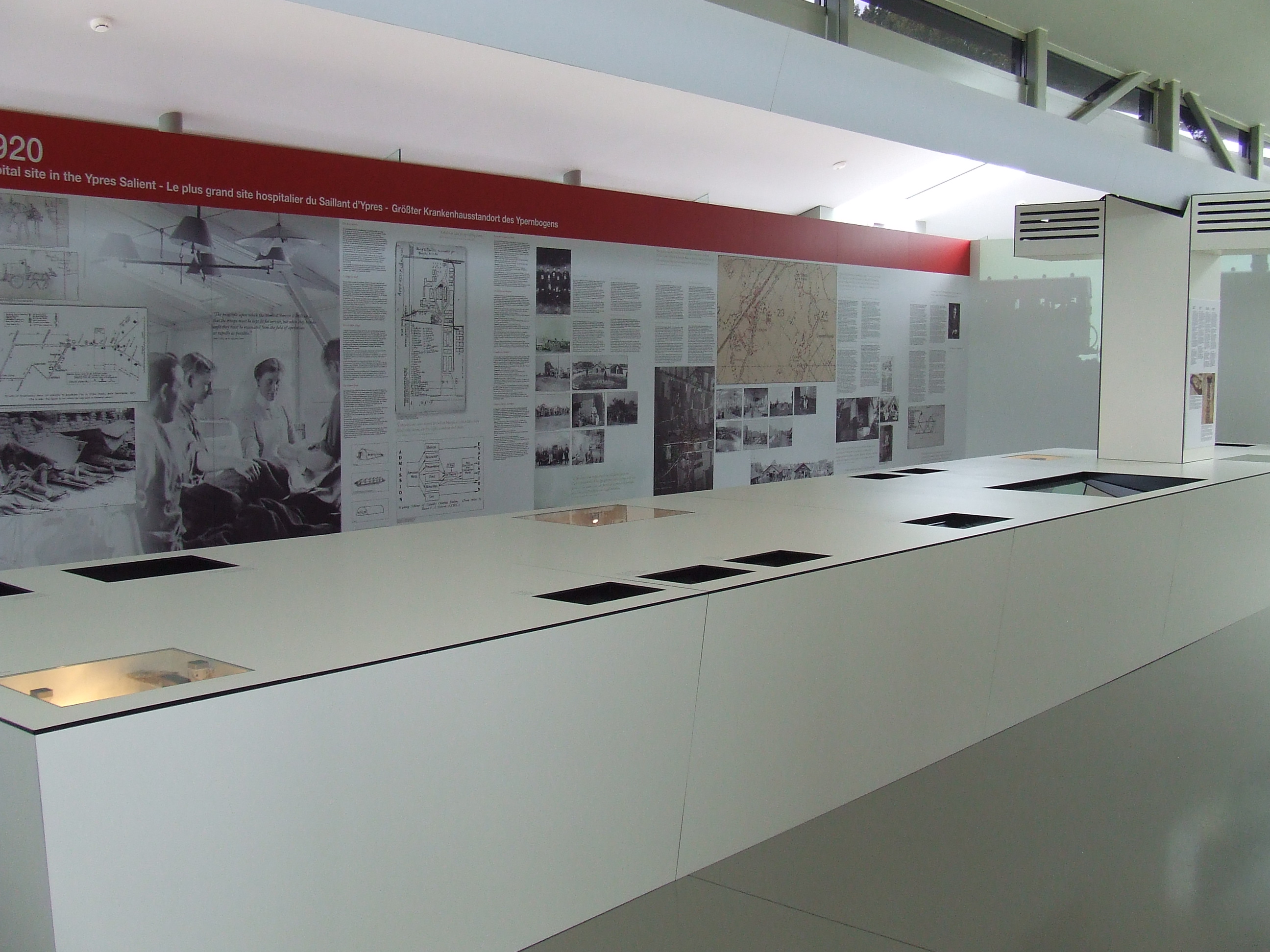
copyright c Sklinar 2013

copyright c Sklinar 2013

I searched for my uncle, as I expected the CWGC information was there but also my pictures but I was disappointed not to find the original documents I had taken in were not available – never mind, may be at a later date or they may save them for a display, must keep visiting.
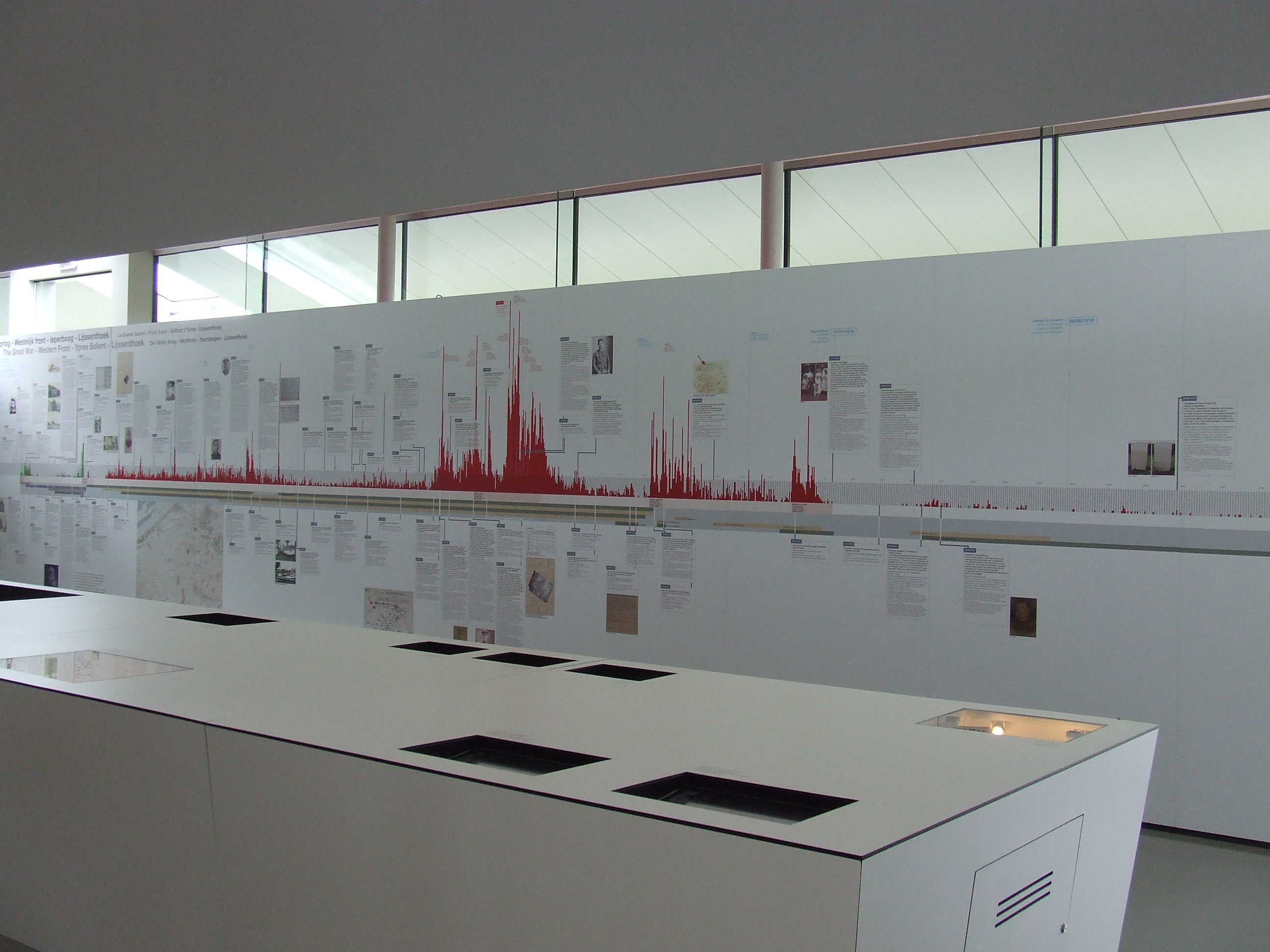
copyright c Sklinar 2013

copyright c Sklinar 2013

The displays on the wall are ‘clean looking’ and very informative.  There are photographs or the original wooden crosses, maps and aerial photographs, Director of Graves photographs, casualty records, letters requesting monies for extra working on their relatives headstones (my family paid the extra charge).  You will have seen this if you have visited a WW1 headstone – the wording at the bottom i.e. Much loved son, Dearly loved husband and father.  One wall has a plan showing the happenings on the Ypres Salient and a series of red spikes show when the most deaths occurred.  To say the Salient was on for quite a long time the spikes occur in a small time span.

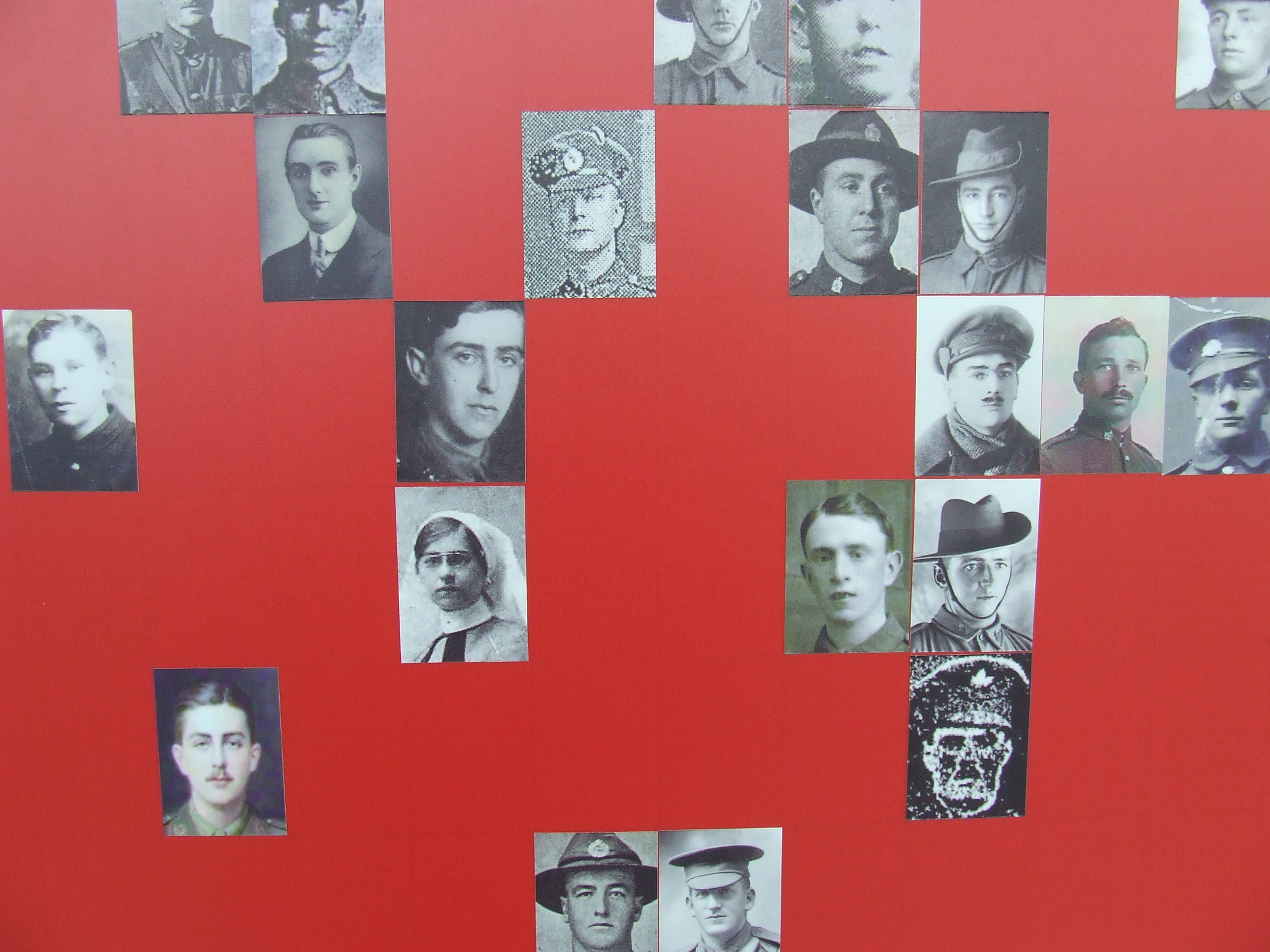
When I visit any CWGC cemetery I am either overwhelmed by the number of headstones of men, young and old who gave their lives, for example a visit to Lijsenntheok or Tyne Cot brings this home very well, but there are also small off the beaten track cemeteries with sometimes only a dozen or so men.  Moving as this can be you don’t know who the men or women were, do you?  What did they look like, what colour eyes or hair did they have, how did they comb their heir, did they have a parting?  Were they clean shaven? For some of the men this now can be answered thanks to a red box like structure in the centre.  Pictures of the men and the one woman are placed within what

copyright c Sklinar 2013

copyright c Sklinar 2013

looks like a pencilled rectangle – one space for each headstone.  I am pleased to say that my great uncle, Herbert Siddle, Pte., 242874, 1/4th K.O.Y.L.I who died of a bullet wound in his neck, is positioned on the photo wall very close to Nurse Nellie Spindler, also from Wakefield, West Riding of Yorkshire, as it was during their time.
copyright c Sklinar 2013

copyright c Sklinar 2013

In amongst these pictures is a screen displaying information regarding a soldier who died on the date of your visit.  The date of my visit – 16 August a young man named James Ernest Gordon was remembered. But what I
copyright c Sklinar 2013

copyright c Sklinar 2013

did like was that with the press of a button, you could print out information about him for example, his parents names, that he had siblings and that a fiancee never shared a special moment at the alter becoming his wife.  That he served in the Balkans and according to his second Lieutenant and was gassed helping a wounded comrade. He was overcome by the effects of the gas but did make it to No 10 CCS, the British evacuation hospital in Lijssenthoek at 9:45 and breathed his last some thirty minutes later.

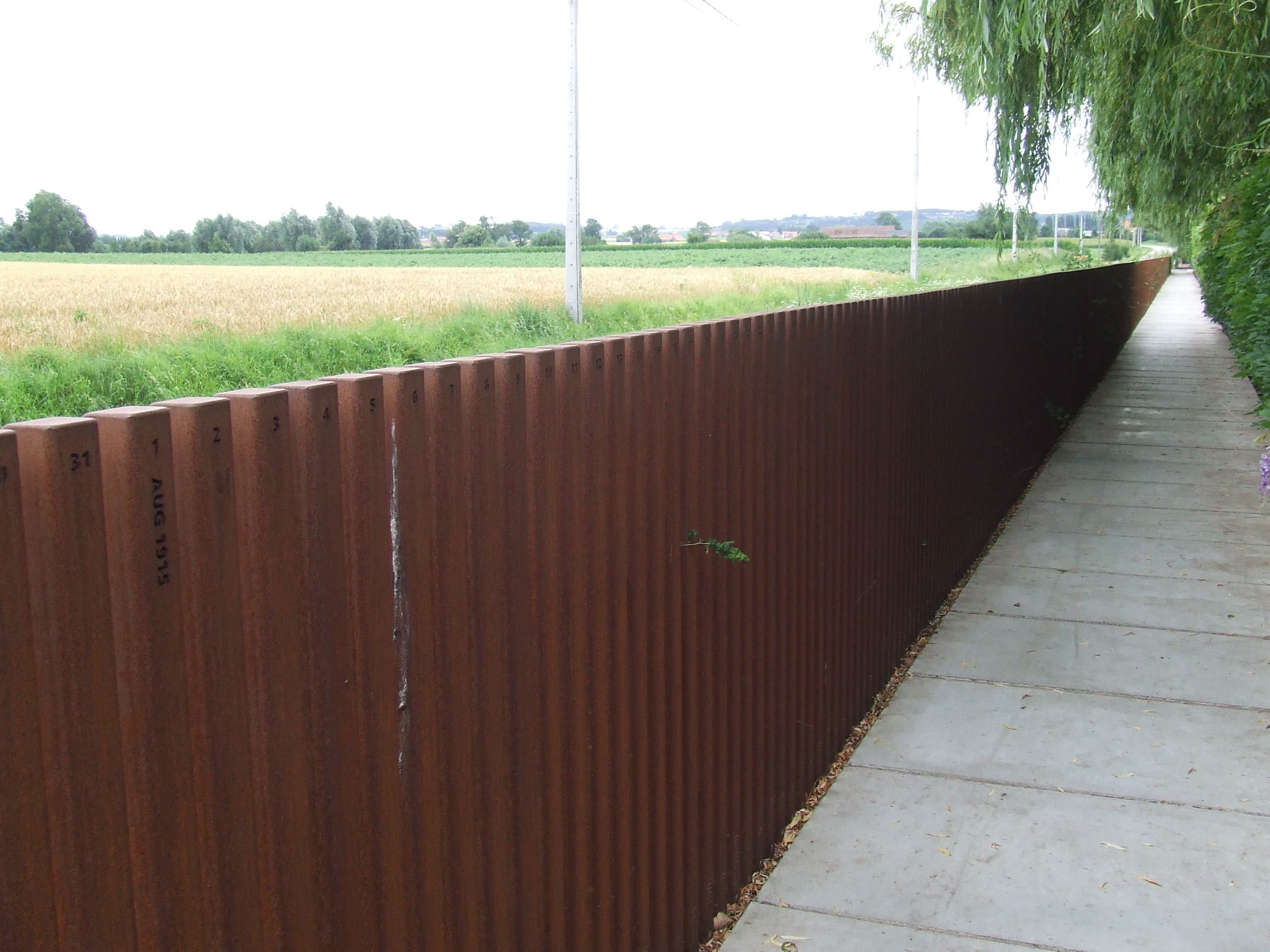
After going around the centre if you care to take a walk to the cemetery you will notice that the old car park out side the main gates (if you have been before) has gone and now a path takes you towards these gates.  The path is protected from the road with what at first glance look like rusty metal pylons, but on closer inspection you can see that every one is dated – one for each day of the events
copyright c Sklinar 2013

copyright c Sklinar 2013

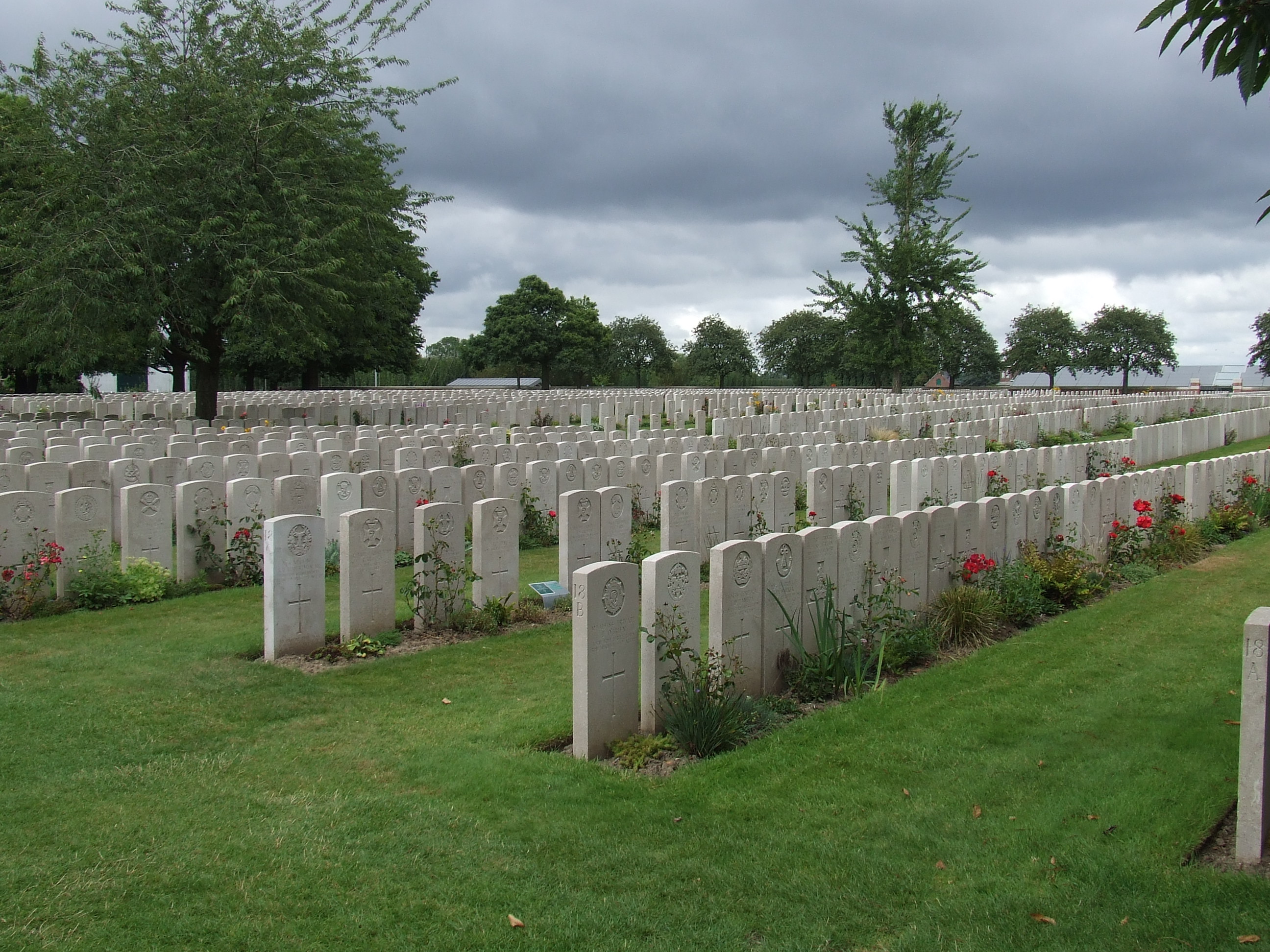
that took place.  The end of the war is depicted by a gap and the rusty metal continues from 24 January 1919 until 18 June 1921 in staggered dates i.e. 1 August 1915, 1 August 1918, 31 October 1920 and finally, 18 June 1921, bringing home that quite a lot of things were still going on in the area well after the war.  From here, you enter the familiar ground of a CWGC cemetery, rows of soldiers lined up in death as they were in life.


Was it worth a visit?  Yes!

Would I go again?  Yes!, of course, as the displays could change and I may get to see the original documentation kept by his mother at the bottom of a blanket box, along with the local newspaper, his picture on the front page as KIA and the insertion by his parents and family later in the paper saying how saddened they were at his loss.
DSCF2083

Lijssenthoek Visitor Centre click here 
DSCF2155


And finally, my reward for a nice afternoon out – only one eaten at a time – promise!!
A Fusilier’s Postcard

A friend of ours/mine is a songwriter and musician, basing many of his songs around his Northumberland origins.  A few years ago I blogged about a mining disaster that was the basis of a wonderful and moving song and a song dedicated to my husband called ‘The Old Chateau’.

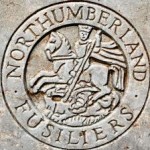
northumberland fus badge

Anyway, the moving lyrics have once again spurred me into putting fingers to keyboard, but this time based on a postcard written by a fusilier to ‘his Maggie’.  I have no idea who the writer was or who ‘his Maggie ‘ was but I have found a Northumberland Fusilier who I shall blog about!

Frederick Noel Coates – who was he, just picked out at random from Army Service Records, basically as I thought his name would be easy to follow.

Frederick was born in 1895, in Whitley Bay, Northumberland, the son of John Robson Coates and Edith Annie, his wife of 19 years.

On Sunday 2nd April 1911 the family were living at 39 Victoria Avenue, Whitley Bay.  John was classed as an Accountant, while Edith  was given no occupation, but it did give information that she had born 6 children – the eldest being Edith Vera aged 18 and the youngest was Gwendoline aged 7 months.  Frederick Noel was the eldest boy aged 16 and employed as a Commercial Clerk.  The family were looked after by 2 teenage servants.

Ten years previous in 1901, John was an accountant working for the Water Gas Company with his family living at 37 Victoria Avenue.

A few short years after the census Frederick Noel Coates on 10 September  1914 signed his Short Service Attestation Papers in Newcastle upon Tyne.

Our young man gave his age as 19 years and 259 days and employed as a Wireless Telegraphy Student and was now officially a Private in the 16th Bn., Northumberland Fusiliers.  The only other entry on ‘Statement of Service was dated 18 September 1915, but will mention that later.

His military history sheet is bare apart from the information regarding his next of kin – John Robson (surname missing , probably as we know the name of the family) 8 South Parade, Whitley Bay.  One thing that was not missing was his description – a wonderful find for any family member who has no photograph to view.  Frederick was, as we know, 19 years and 259 days old.  He was 5” 7 1/2 “ tall and weighed 121lbs.  He had a girth of 35” with an expansion range of 4”.  His complexion was fresh, he had blue eyes and fair hair and gave no religious preference and he was declared fit for duty.

You may be wondering why I wanted to come back to Fredrerick’s Statement of Service, well on the 18September  1915 he was Discharged, but for a very good reason – he was Gazetted a Commission and became Temp. Second Lieutenant.

Frederick changed Battalions and was now in the 22nd.  These Battalions were made up of ‘Pals Battalions’ and took part in many battles including 1 July 1916, the first day of the Battle of the Somme – the 22nd Bn., lost over 530 men on that day.

The Northumberland Fusiliers were often known as the ‘fighting fifth’ as until 1881 the regiment was the Fifth Foot, but during The Great War the Northumberland Fusiliers raised no fewer that 51 battalions making it the second largest after the London Regiment.nf_steloi

The  22nd was formed in Newcastle on 5 November 1914 by Newcastle’s Lord Mayor and landed in France in January of 1916.

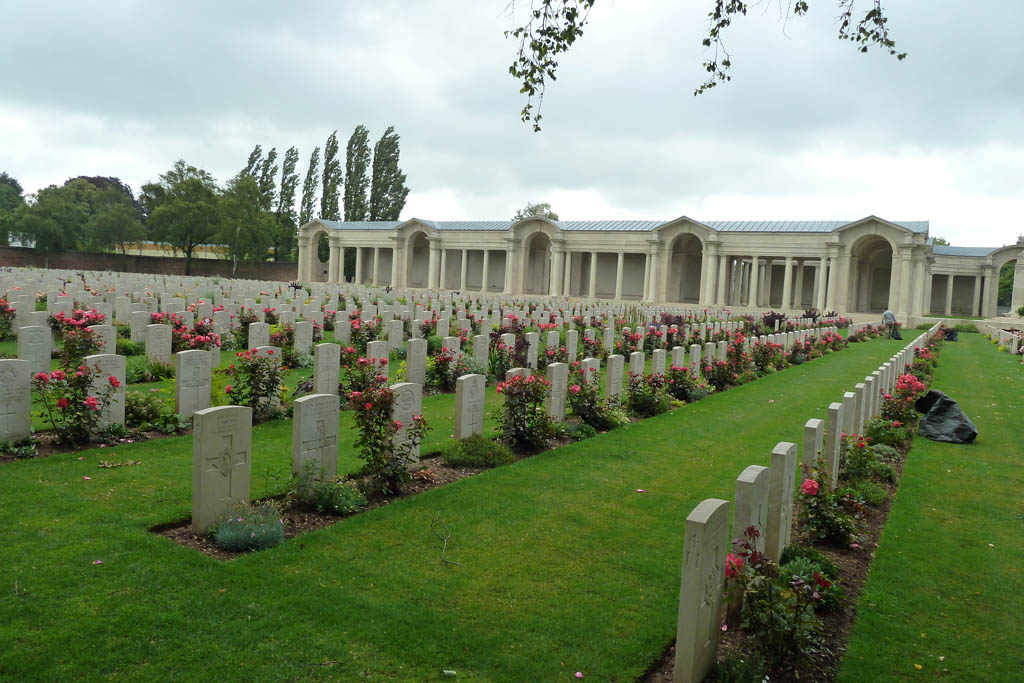
John and Annie Coates lost their eldest son on 4 April 1917 aged 23.  He is remembered at FAUBOURG D’AMIENS CEMETERY, ARRAS with over 2640 other  known men and 10 who are Known only unto Their God.

FAUBOURG D'AMIENS CEMETERY, ARRAS


Frederick is mentioned in Whitley Seaside Chronicle of the Great War

As to who was the Maggie, dearly mentioned on the postcard that could well be another story, but I do hope that  her soldier did return home.

You can listen to A Fusilier’s Postcard here

You may also like to listen to Where Footsteps Used Fall also with a WW1 theme

Sources –

Ancestry

Find My Past


Russian family history programme pt 1

Last year my daughter received an email from someone saying they were looking for our family, after contacting me and my son we decided it was a spam message.  The email gave information of family names and relationships – nothing really that could not have been obtained from Ancestry, Find My Past or other on-line resources.  But these emails kept coming from the Finnish researcher.   If you Google Sklinar you only come up with a few people, my daughter, my son, a couple in the USA and me. Eventually, after numerous emails my daughter replied as by now some of the information contained details of non-UK family – this information I confirmed.  The email was sent and a reply received.  It all turned out that the researcher was working for a Russian family history programme ‘Zhdi Menya’ and that my husband mums family were looking for us – cousins.  For years I had felt guilty when working on my very large family tree as my husband’s line only went back as far as his grandparents. So, my cousin-in-laws are looking for us.  Where do they live ?  Slonim in Belarusia.  You may have heard Natasha Kaplinsky, UK newsreader, featured in primetime celebrity history show ‘Who Do You Think You Are?’ and discovered her family were from Slonim, Belarus. They hid in the woods with the Bielski brothers, remember the film ‘Defiance’ which starred Daniel Craig and Jamie Bell. The TV company wanted us to go to Minsk with about 2 weeks notice – not practical, work and commitments were getting in the way and my daughter was about to cycle around Mt kilimanjaro for Macmillan Cancer Research.  A filming in London was arranged.  We were supposed to meet Igor our cameraman in Westminster Tube Station, but what did he look like.  We presumed someone with a lot of camera equipment.  After various text messages and phone calls the decision was taken to meet on the opposite bank of the Thames to the Houses of Parliament. It was a nice day and a very iconic background, something people from all corners of the world would recognise – Parliament and Big Ben.

We were filmed in the small gardens outside St Thomas’s Hospital,  Igor had a list of questions and the questions were aimed at either Kim or myself.  It was a nice day and it didn’t seem we were talking to a camera but to a friend.  About an hour later filming was done and we all headed out of the garden, just as the rain started to pour down.  We headed for a coffee and asked our cameraman to join us, sadly he had other commitments.

So, about 50 minutes of filming was cut down to about 3minutes and we start about the 12 minute mark. The programme ‘Zhdi Menya’.

Since the programme aired there has been quite a bit of emailing going on but email and computer problems, on their side,lately have slowed this down.  We don’t speak Russian and my cousin in laws don’t speak English therefore, google translator has been getting a lot of use along with my daughters friends who have a smattering of the language.

Stop Press :- By the time I post this we will be on our way to Minsk  followed by Slonim, and as they say, treading in my mother in laws steps.  We will be seeing her homeland as she never saw it and visiting places that even google cannot find…… but what an adventure and what a tale we will have to tell on our return

See you when I get back !!


Riach / Campbell marriage

Elgin Courier, Friday 29 June 1866

“At Toronto, on 6th June, by the Rev. Alex. Topp, A.M. Mr Alex. Riach, farmer, second son of the late Mr Jas. Riach, farmer, Barflathills, Morayshire, to Isabella Campbel, County of Chateaugeauy, Canada East.”

Who were Alexander and Isabella?

Isabella, born about 1839 in Argyl.  She was the daughter of Dugald Campbell and Catharine McKillop.  At the time of her marriage she was living in Chateauguay, Quebec. Alexander on the other hand was born about 1841 in Elgin, the son of James Riach and Margaret Newland.  At the time of his marriage he was living in the Nelson Township. I’ve found 1 child born to the couple – Joseph Newlands Riach b 1 Sept 1872 at Wentworth   Memorial inscription for Alexander and Isabella at Greenwood Cemetery, Burlington, Ontario.

In memory of Sabella Campbell beloved wife of Alexander Riach died Sept 23 1896 aged 58 years. A native of Argyleshire Scotland. Alexander Riach 1840-1914. (back) James C Riach 1867-1944

The census of 1901 sees Alexander a widow and living in the home of Arthur Grey a farmerl

The 1911 census of Canada has Alex as a boarder in the house of William Hannon(?) and his family  on what looks like Maber Street, Burlington, Ontario.  Alex’s occupation was given as servant.

Sources:-
www.findagrave.com
www.ancestry.co.uk
www.findmypast.co.uk


The Missing Constantine

During my stint helping to man a local family history stant at the Ridings Centre during Heritage Weekend a few years ago. I was asked had I seen the family bible on display – no I hadn’t and I’m a sucker for old bibles and books as you never know what secrets or forgotten things you find when turning the pages.

I don’t like lists of names or entries in bibles that are unknown, they should belong now as they did when their name was so tenderly written.  That could be why I’ve taken to transcribing war memorials – a name on a plaque or on a carved stone means nothing unless you know who they were in life.

So who were the Constantine family mentioned in the bible that had been given to the group and was put on display over Heritage Weekend ?

There were names and dates but sadly, no places and in one case just initials.  The names and dates were a start and I copied the names down to try and solve the mystery after tea.  After tea…….no now, while the curiosity juices are flowing…………Tea will wait !!!

The first entries in the bible were for William Henry Constantine born on 28 Sept 1823 and below the entry for his wife Ruth Elizabeth Constantine born 26 Sept 1855, followed by their children Martha Ann 22 Apr 1879 ; Nellie 1881 ; Lissey 1888 ; Wilfred 1890 ; Sarah 1883 ; Sam W 1885 ; Annie 1895.

The 1881 census filled in a few gaps.  Firstly, the family were not from Wakefield but Wortley or Armley – depending on which census you looked at and that William was a Sanitary Tube maker or worker. The other members of the family stated they were from Armley. Secondly, Nellie was Ellen and thirdly, Ruth could possibly be an Appleby as James Appleby, brother in law, was living in the household along with a Martha Ann aged 9 and giving relationship as niece.

A look on the Freebmd website confirmed the Constantine / Appleby link when William Henry and Ruth Elizabeth (Appleby) married on 31 Aug 1878 in the Leeds Registration District.

Going back to the 1861 census, hoping to find William H’s father revealed that William Constantine (1821) and Ann (Lockbottom) (1822) were the parents of William H. William like his son was a Sanitary Tube Maker and was born in Leeds. As well as William H the children were Joseph 1848 ; Sarah 1850 ; John Edward 1856 and Mary Ann 1859.

Further back to William’s parents – Samuel Constantine b 1788 and Ann Jackson b 1778.  The couple married at St Peter’s Leeds on 3 Jan 1809 and they went on to have 8 children.

But back to William Henry and Ruth Elizabeth in 1881 the family lived at 35 Parsonage View, Armley by 1891 they had moved just down the road to 23 but his employment had changed to that of labourer and all his children attended school except the Wilfred the baby and Elizabeth aged 2.  You may not remember Elizabeth from the list of birth but you may remember Lissey.

By 1901 they were now living at….. well on the census it looked like 13 Bowlingate Terr, but that did not give me a good feeling.  A visit to the Leodis website and search for Bowlingate revealed nothing.  But a manual search of Wortley itself and bingo …. Bowling Garth Terr.  I had a address so why not look at what it was like – no’s 7 – 13 looked to be decent enough houses with steps leading to the front door.  The oval fanlight was surrounded by two stone quadrants with a centre support/decoration.  The windows also had stone decorations above and below.  Partially below ground level was the cellar that looked to have two windows letting in light to what was probably the kitchen.  Back upstairs and there was a large window by the front door.  Upstairs was another large window and a smaller window over the door.  A picture of houses 3 – 5 gives a description of them being back to back, if no 13 an end terrace was back to back I don’t know.

We now know a little more about the family but the children in the bible – what happened to them.  Martha Ann  died in 1965.  Ellen married Ernest Boston on 24 December 1904 and had Harry in 1905 and Wilfred in 1915 (d 1960), again these entries were in the pages of the bible.

Samuel died on 3 August 1960, Elizabeth – did she marry or didn’t she only the people in the bible know.

William married Louisa Bannister and a search on Freebmd for a Constantine/Bannister child came up with Fred born in 1918 and Annie, she  married J H Marshall on 17 July 1920 in the Bramley District.  Who was J H ?  A look on Freebmd came up with no hits for his marriage but a search of the GRO on Ancestry came up with 50% of the answer – John H Marshall, well it was a start ! Back to Freebmd and a look at their birth transcripts and a possible hit for him of John Hemingway Marshall.

Now, J H and his wife are the people that have the Wakefield link.  John was born in Alverthorpe around 1880 and by 1901 was living with his siblings – his eldest sister, Ethel aged 22 was the head of the house, Elden House, Alverthorpe  and was the ‘parent’ to her other 9 brothers and sisters.  I suppose you could say she was helped by a 22 year old servant.  The previous census told that their parents were Charles H  and Annie S Marshall who lived at Silcoates, Charles being employed as a Mill Manager (woollen cloth).

Back to J H and Annie, they went on to have three children, Reginald b 1921 ; Ruth b 1922 and Harry in 1924 all being registered in Wakefield.  Both John and Annie must have stayed around the Alverthorpe area as Annie died in West Ardsley in the 1970’s

We now arrive at the third child of William and Ruth, Sarah born in the summer of 1883.  It was the year that a rumour spread around New York that the BrooklynBridge was going to collapse – resulting in a stampede crushing 12 people.  The year of the Victoria Hall disaster – a rush for treats resulted in 183 children being asphyxiated in a concert hall in Sunderland.  It was the year that the Zulu king Cetshwayo barely escaped a rebel attack and the year that the volcano Krakatoa erupted and it was the year that the Boys’ Brigade was founded in Glasgow.  It was also the year that little Sarah died – 8th June 1883 in Armley, Leeds.

As this was not my family tree I did not want to delve too far back or get too curious as to what else they got up to with their lives but there was one more question I wanted to answer and that was did anyone else have them in their family trees ?  I normally check our Ancestry World Tree but this time just checked them via the trees on Ancestry and a couple of trees came up.  I was pleased that by just checking through the census, Freebmd and the GRO that I had everything they had BUT!!!! I had one thing more than any of them – I had Sarah.

Sarah being born in 1883 had missed the census, simply been and gone and only recorded on her birth and death certificates and in her local parish register when she was christened and buried on 30th June of the same year at St Bartholomew’s, Armley.

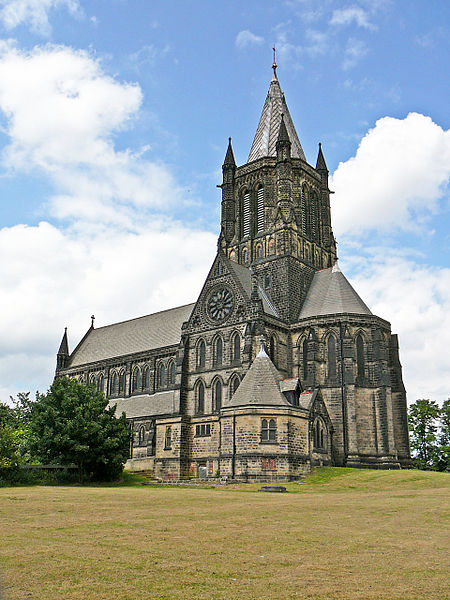
St Bartholomew's Church from Wikipedia

St Bartholomew’s Church from Wikipedia


How can she be forgotten, when we all know her name……………….SARAH

Sources

http://freebmd.rootsweb.com

www.ancestry.com

www.leodis.co.uk


To check woodkirk MI

St pauls alverthorpe pr’s

Rhubarb Festival – Wakefield

This years Rhubarb Festival will be a 3-day event, running from from Friday 22nd to Sunday 24th February.  This year is going to be bigger and better than ever with a market in the Cathedral precinct, cookery demonstrations, walks and tours.

Wakefield was traditionally the centre of rhubarb growing with the Rhubarb Triangle covering the Wakefield, East Ardsley, Rothwell, Carlton and Morley areas.  For over 150 years the fruit has been growing here, as conditions were ideal. There was plenty of local fuel – coal, and a large number of market gardeners.

A large amount of rhubarb was grown in ‘forcing sheds’, they bring an early crop and some can still be seen locally.  It is said that in the sheds, lit only by candles you can hear the rhubarb growing and as candles are moved to keep the rhubarb straight the light green tops turn to face the light – this could be the noise heard by the growers as the leaves are still uncurling. themselves

Years ago rhubarb was sent to Leeds on overnight trains full of rhubarb for the London markets.  Along with Champagne, Parma Ham, Yorkshire Rhubarb has protected status and joins British foods such as the Melton Mowbray pork pie, Stilton cheese, Arbroath Smokies and Jersey Royal potatoes to name just a few.

p.s. keep the event quiet as I want to be able to get a parking space!!

Wakefield – history and heritage here

Facebook page

For information and tours visit here E Oldroyd & Sons

Who Are You?

A few years ago I sorted through all the family photographs and put them in family folders. There were lots of people I knew – aunt and uncles, family members, family friends and lots of people who were totally unknown to me.  Some of the photographs, mainly from my mum’s time in the war had a short sentiment followed by a single name, others bore no wording.  Why should mum right on the reverse who they were – she knew them!

My dad also had photographs, not so many, but they also had either a few words or nothing.

In a moment of frustration of trying to find out who these people were Who Are You? was born.

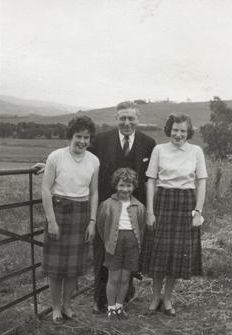
Taken by C. Wilkinson

The pictures were scanned and then put into an online photo album with as much information about the picture as I could find on the reverse or deduce from the image.  I was loaned pictures, begged pictures, scanned them all and indexed them – cross referencing them if I knew they were from one place but the photograph was taken elsewhere.

All in all there are pictures of unknown and known people from the British Isles, Canada, America, Ukrkaine, Africa and a section of WW1 & 2.

Just to give you an idea as to some of the pictures – there is a family photograph in the Morley section of a couple and a small child written on the reverse is ‘ Aunt Mary ‘ but, who was Aunt Mary ? Is she the lady or is she the child ? Other images from the Morley section include members of the Donkersley  Worrel, Kershaw families  – most of the Morley photographs were handed to me as one group, so therefore I have kept them together and linked to other sections, but a photograph of a young man taken by Chas. A. Saylon, photographer, S. E. cor. Sixth & Penn Sts, Reading, PA. ( or South East corner of Sixth & Penn Streets). Who is this young man ? Was he visiting family or did he live in Pennsylvania ?

This section of my site Wakefield Family History Sharing has not been available for a while, but is now available and shortly with have the addition of extra pages with a connection to Victorian and Edwardian photographers.

Wakefield Family History Sharing

Who Are You?

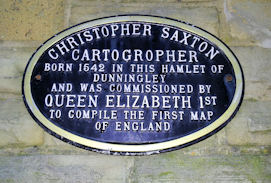
Christopher Saxton – Dunningley

Christopher Saxton – Dunningley

Extracted from The Registers of Topcliffe & Morley

Dunningley, within half-a-mile due east of Topcliffe, is noted as being the birthplace of Christopher Saxton, an eminent cartographer, and also as containing the residence of a sweetheart of Nevison, the highwayman.  In Dr. John Dee’s Diary, 1596, appears this entry:- “July 10th, Manchester town described and measured by Mr Christopher Saxton.”  Mr. J. E. Bailey, writes of this as follows :- “This Manchester survey which would be a valuable addition to out local topography, is not now known to be in existence.  C. Saxton was the author of the first maps of Britain from actual survey.  The series of maps was nine years in preparation and was first issued as a complete atlas of maps in 1579.  Thoresby remarked that the maps had never been surpassed, scarcely equalled for exactness.  Each map contains the arms of the Queen, who gave Saxton a patent for publishing the charts for ten years, and of Thomas Sackford, Master of Requests, who was employment, Saxton was at the date of the patent. Saxton was encouraged by Sir William Cordel, Master of the Rolls.  His skill as a chorographer is set forth in his epitaph”.  Thoresby says that in all probability he was buried in Batley Church.** Dunningley at the present time, consists of a few farm-houses, not remarkable for theit antiquity of picturesqueness.

** In Dugdale’s “Visitation of Yorkshire,”1666, “Birkbeck of Sheffield and Castleford” – Christopher Saxton, the geographer, here called Surveyor and Compiler of Maps of England, is said to have been of Dunningley.  The Saxton’s were to be found at Mirfield, &c., a century afterwards.

Photo D Knowling 2012

Additional Saxton information – Saxton probably born c1540 in the parish of Dewsbury and grew up in the hamlet of Dunningley.  He, as a young man, was in the employ of John Rudd the vicar of Dewsbury and Thornhill, a keen cartographer who passed his skills on to Christopher.  In 1570 he started a commission from Lord Burghley to survey the whole of England and Wales.  He died after 1610 as he is named in the will of his elder brother Thomas and before 1626 when the will of his son, Robert, was proved.

Wakefield – Its History and People says that Saxton was educated in one of the chantry schools within the town (Wakefield), before furthering his education at Oxford.

Much of Saxton’s work was used for many years and his atlas published in the late 1500’s was continually being re-issued and adapted until the late 1700’s. The issues were : William Hole and William Kip re-engraved Saxton’s maps and reduced them in size for the early 1600’s edition – Saxton being given credit for most of the map work. Later editions followed in 1607, 1610 and 16378.   The Atlas – Atlas of the Counties of England & Wales is in the Special Collections Department of Glasgow University Library.

Christopher was granted arms and received lands from the crown, both showing how he was respected for his work.  His grant of arms refers to him as “Christopher Saxton of Dunningly, gentleman”.  But Wakefield has also laid claim to him.

Harry “Brusher”Mills

In the past we have made a couple of visits to the New Forest area including Brockenhurst, but earlier this year I spent time walking around the churchyard.  As most who know me will be aware I tend to home in on war memorials and CWGC headstones, so after photographing the CWGC memorials I continued walking around – it is amazing what you can find out on some headstones.

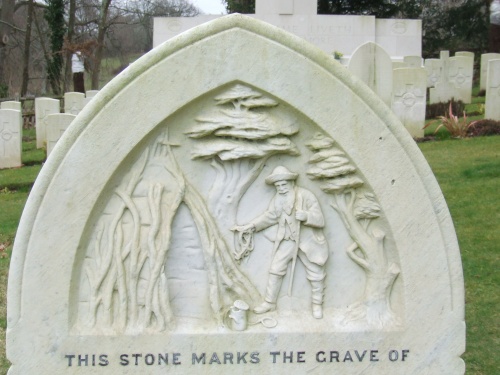
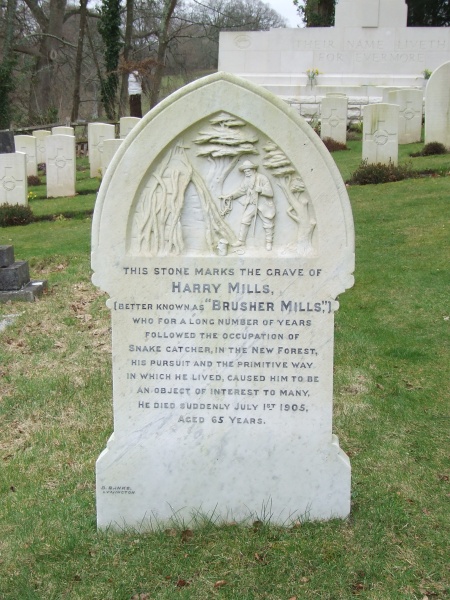
One in particular caught me attention, quite plain from behind and if I had walked the row behind this headstone would have missed its interesting front.  The stone is pale in colour and shaped like a medieval church window but the carving on the top is wonderful.

Who was this headstone remembering and why did they have such an elaborate memorial.  Were they much loved in the area or a character who would be sadly missed by the local people?

C Sklinar 2012

The headstone is to one Harry Mills born around 1840 in Emery Down, Hampshire. In the census of 1861  with his parents Thomas Mills aged 60 a gardener and his wife Ann aged 59.  There are other children including :- Sarah, 22 dressmaker, Lucy 18 ; George 14, scholar and Edward Mills, grandson aged 5.  There is an entry on the 1871 census for a Harry Mills b 1842 in Lyndhurst  with Thomas Mills aged 67 a general labourer and his wife Ann also aged 67 who works as a laundress.  Along with Harry there are 2 other children ; Lucy aged 26 a laundress and Ann who is aged 2 and classed as a daughter (is she the daughter of Thomas and Ann or of Lucy or of another child of Thomas and Ann?) all living at Clay Hill, Lyndhurst.

Harry was later to become well known as a hermit and snake-catcher – eradicating many local areas of their snakes.  He could be seen around the communities with his sack and a forked stick. Harry supplied snakes to London Zoo for their mammals, birds of prey and other snakes.  Harry was also said to have made potions, lotions and ointments from various parts of the snakes to help with rheumatism and boiled snakes to sell the skeletons. It is estimated that during his time as a snake-catcher he caught tens of thousands.

Harry, became a tourist attraction following an article in the national press and many curious tourists and visitors had their photographs taken with him and listed to his tales.

During this period Harry lived in an old charcoal burners hut near Brockenhurst but decided to build himself larger accomodation. The 1891 census has Harry as a single man born in Lyndhurst with his address as  ‘hut at Westly Wood’. One night his hut was vandelised, it was thought this could be to stop Harry claiming squatters rights on the land and claim ownership as he had lived their for so many years.  After his home was destroyed Harry lived in one of the outbuildings at the Railway Inn, Brockenhurst and died shortly after  on 1st July 1905 aged 65 years.

C Sklinar 2012

The inscription on the headstone that was paid for by the locals reads:

This stone marks the grave of Harry Mills, (better known as “Brusher Mills”,) who for a long number of years followed the

occupation of  Snake Catcher, in the New Forest. His pursuit and the primitive way in which he lived, caused him to be an object of interest to many.  He died suddenly July 1st 1905, aged 65 years.

After Harry’s death a friend of his, George Waterbridge took ofer the task of snake catching and it is said he inherited the famous sack and forked stick.

The New Forest today is protected by both the Wildlife Act and local bylaws, so Harry would not be able to live or ply his trade in the forest

War Resistance in the West Riding of Yorkshire

One of my distant cousins and her family were involved during WW1 in conspiracy after conspiracy, conscientiousness objectors and more……….but that is a different story.

Last week I attended a local family history talk by Cyril Pearce about pockets of resistance within the West Riding – wonderful as I have an interest in WW1 and in ‘conchies’.

Always one for learning some new snippet or piece of information, nobody knows everything, even though some think they do, I listened with interest.  Although, most of the talk was based around the Huddersfield areas, the information fitted in with other places in different counties.

My information has been gathered from around the Derby area, based on my family, but this opened my eyes to the people who were involved and how they were accepted and treated within their communities.  One of my questions at the end of the talk, based on a copy of an Attestation Paper was ‘did all concientious objectors have an army service number’, to my surprise the answer was yes, as they were called up and therefore were allocated a number.  Many refused to sign and had to follow the consequences of this by either doing non-combatant work i.e. being in a reserved profession, by being in an ambulance corps., or doing aid work of sorts.  The Friends Ambulance Corps is one of these groups (Quakers).  But, saying that, many still refused to do any work that would help the nation at this time, even being in a reserved occupation was too much, and they would have been sent to varioius prisons including Wakefield and Dartmoor.

For the first two years of the war over 3,000,000 volunteered (up to 1916 there had been no conscription) but due to such heavy losses it was decided to bring in conscription.  At first it was only single men had the call, then as time went on and 1918 came, married men and men up to 50 were also included. So, after the passing of various Military Service Acts the No-Conscription Fellowship mounted a campaign against the punishment of objectors and in total about 16,000 men refused to fight.  A  large number of these men were pacifists who believed that killing another human being was wrong, either for religious or conscientious reasons.  The No-Conscription Fellowship had support from many public figures of the time  including : Bertrand Russell, Arthur McManus, Alfred Mason to name a few.

The areas of objectors in the West Riding seemed to be mainly from the woollen areas which seemed to be mainly non-conformist, the mining areas, mainly the traditional church seemed to be lightly affected.  You would think that the mining areas would have the same feelings as there were many Socialist and Labour groups involved with the organisation of objector groups.

Over 120 Huddersfield men appeared before a tribunal for their beliefs, one conscientious objector was Arthur Gardiner.  He was a gifted talker and when attending the tribunal likened himself to German workers who he felt he had more in common with than the men in Westminster – he lost his appeal, was sent to France, leaving the station to waving supporters.  One would think that a C.O. would not blend well back into a community after so many families had lost fathers, brothers and sons, but no, Arthur went on to become Mayor of Huddersfield.

What did I learn from Cyril’s talk, well that the C.O’s had various degrees of how much or how little they would do, or how much they would disrupt the every day goings on ‘at home’. I knew  there were many National groups who were organising anti-war feelings, but I did not realise how many small, local groups including Friends Meetings and Sunday Schools were involved.  Also, I knew there were the ambulance and first aid non combatants but I found out that many went to France to dig trenches, give aid and hand out tea.

Further reading

http://reporter.leeds.ac.uk/472/s5.htm

http://reporter.leeds.ac.uk/472/hudders.htm

http://www.bbc.co.uk/bradford/sense_of_place/remembrance_huddersfield_co.shtml

http://www.spartacus.schoolnet.co.uk/FWWncf.htm